

Following a vibrant first day of Chinese culture lectures, craftsmanship workshop visits and a warm welcome gala, the study tour delegation from Singapore’s Institute of Technical Education (ITE) embarked on Days 2 and 3 at Shanghai Donghai College. The two-day itinerary unfolded progressively from foundational to specialized topics, and from campus to the wider city: participants delved deep into the intricacies of digital intelligence in classrooms and at cutting-edge enterprises, while savouring the timeless charm of Shanghai through its iconic streets and riverfront vistas. The blend of academic enrichment and cultural immersion lent greater depth to this cross-border learning journey.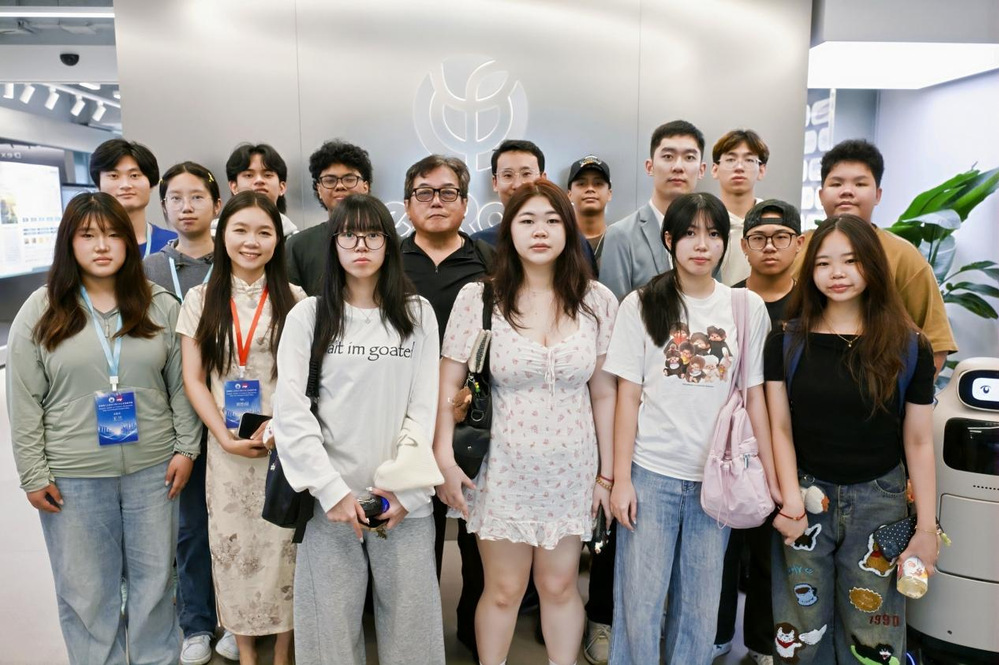
Day 2: Building AI Frameworks, Witnessing Industry Innovation
The second day revolved entirely around artificial intelligence, forming a complete learning cycle of theory, on-site visit and reflective discussion.
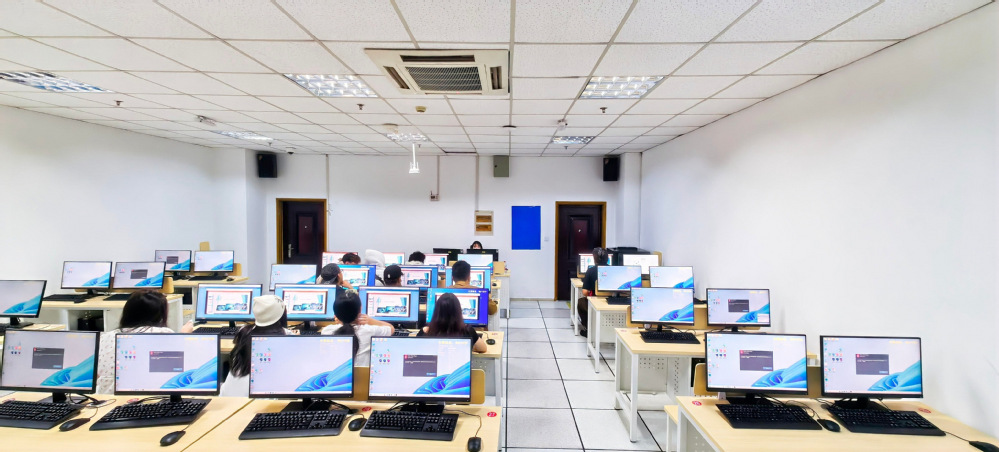
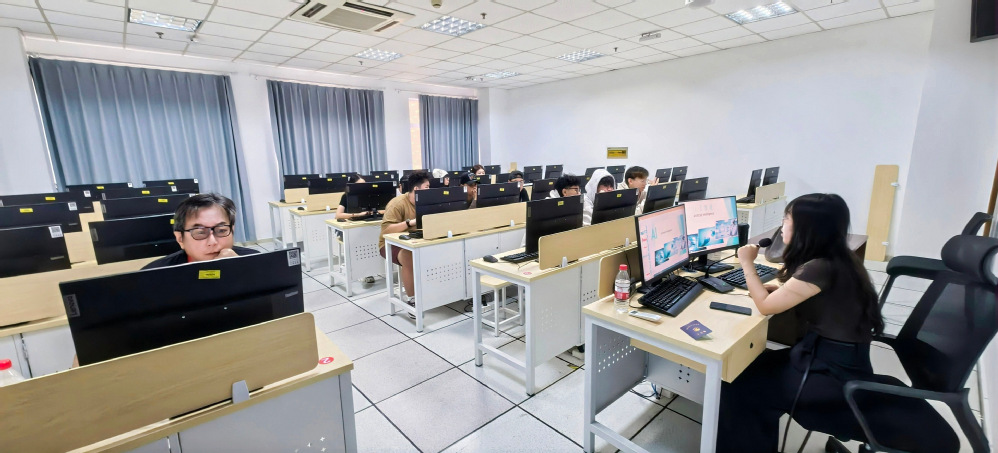
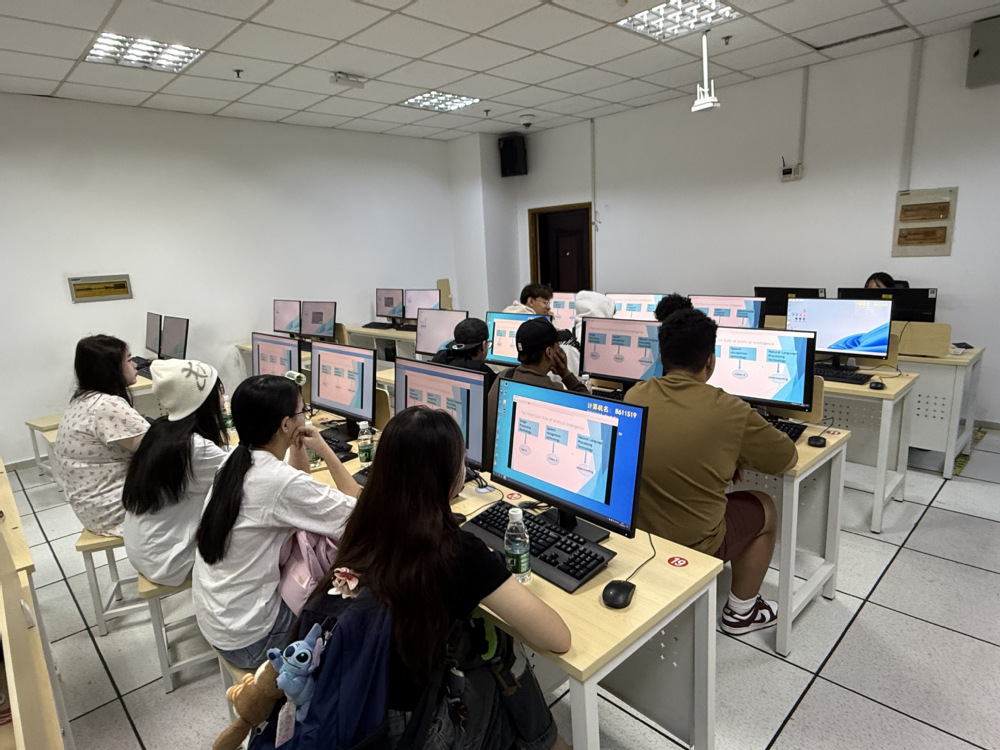
In the morning, Ms. Tao Huimin from the School of Information Engineering delivered the course Introduction to Artificial Intelligence, unfolding a full panorama of AI development for the students. Opening with the iconic Turing Test question—“Can machines think?”—the lecture traced the discipline’s evolution: from its official naming at the 1956 Dartmouth Conference, to the three successive waves of computing-driven, knowledge-driven and data-driven advancement. Ms. Tao broke down three core AI competencies: image processing, speech recognition and natural language processing, illustrating abstract algorithmic principles with vivid cases such as AI poetry composition, intelligent music generation and sit-up motion detection. These tangible applications laid a solid theoretical foundation for the enterprise visit later that day.
In the afternoon, led by Mr. Luo Yizheng, an AI faculty member of the School of Information Engineering, the delegation visited Zhejiang Dexterous Intelligent Technology Co., Ltd. (DexRobot), a leading player in China’s dexterous hand sector. Guided by its vision “Chinese Dexterity, Global Intelligence” and mission of “freeing human hands and enabling smarter manipulation”, the company specializes in embodied intelligence robotics. Ms. Fan Xiangru, manager of the company, hosted the visit and provided detailed commentary throughout.
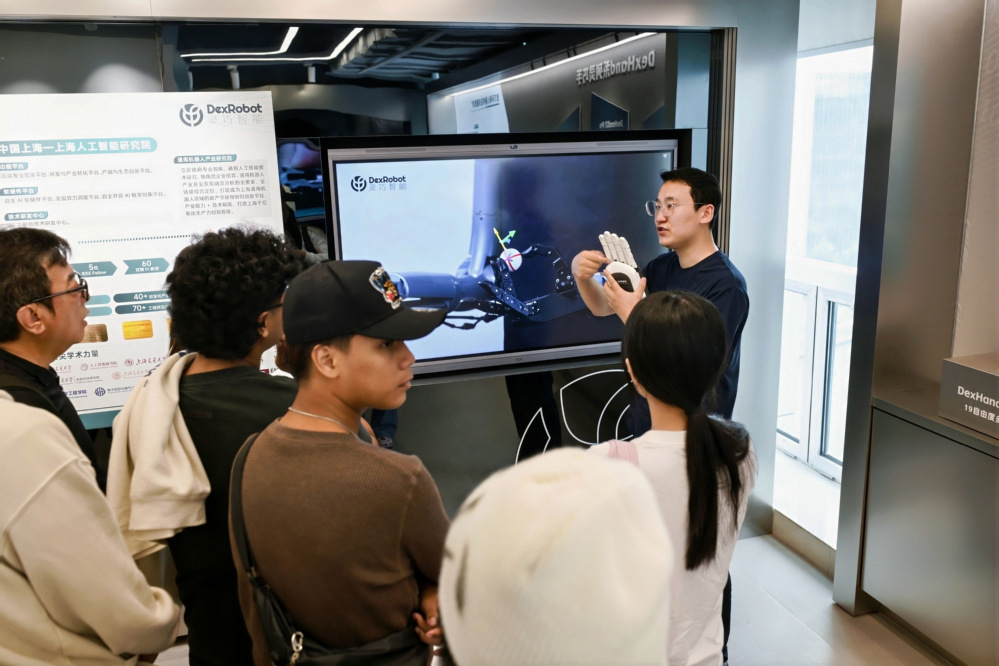
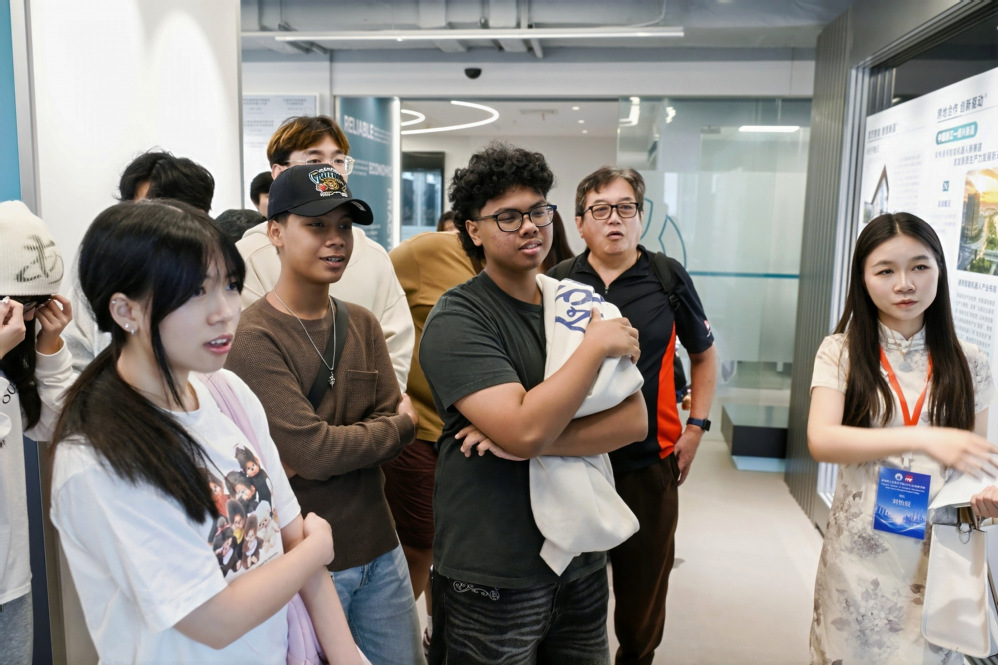
The exhibition tour was structured around two themes: data collection technologies and real-world application scenarios. In the application zone, the flagship DexHand021 five-finger dexterous hand drew sustained attention. With 19 degrees of freedom (DoF) and 23 built-in sensors, it executes intricate tasks including single-handed Rubik’s cube solving and multi-object grasping, demonstrating internationally advanced technical strength. By contrast, the cost-effective DexHand021 S three-finger dexterous hand showcased the broad accessibility of core technology: covering 80% of general hand functions, it serves education, industrial inspection, agricultural harvesting and many other scenarios.
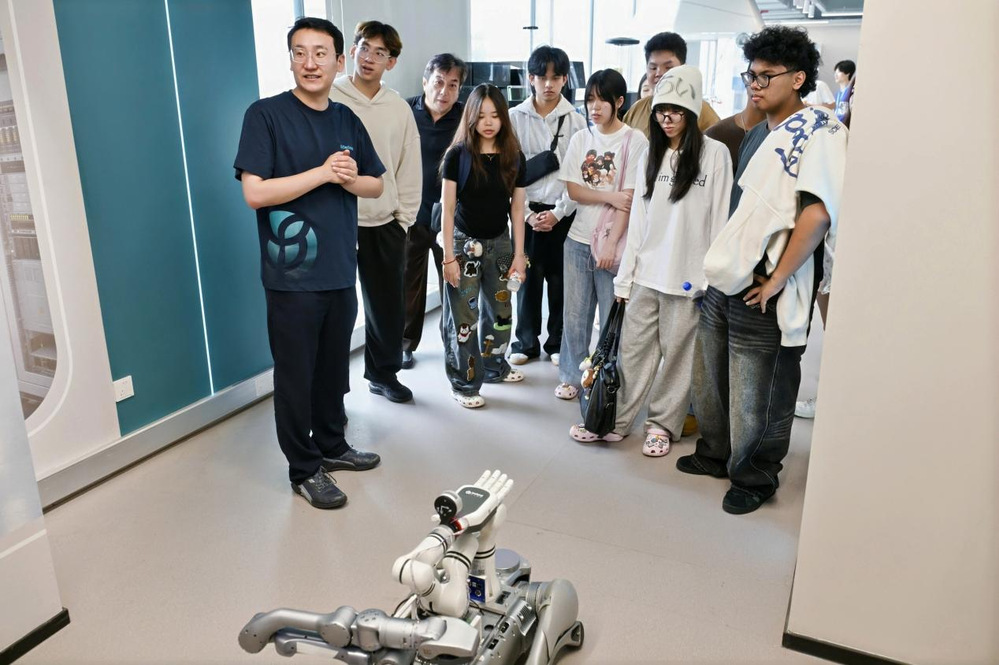
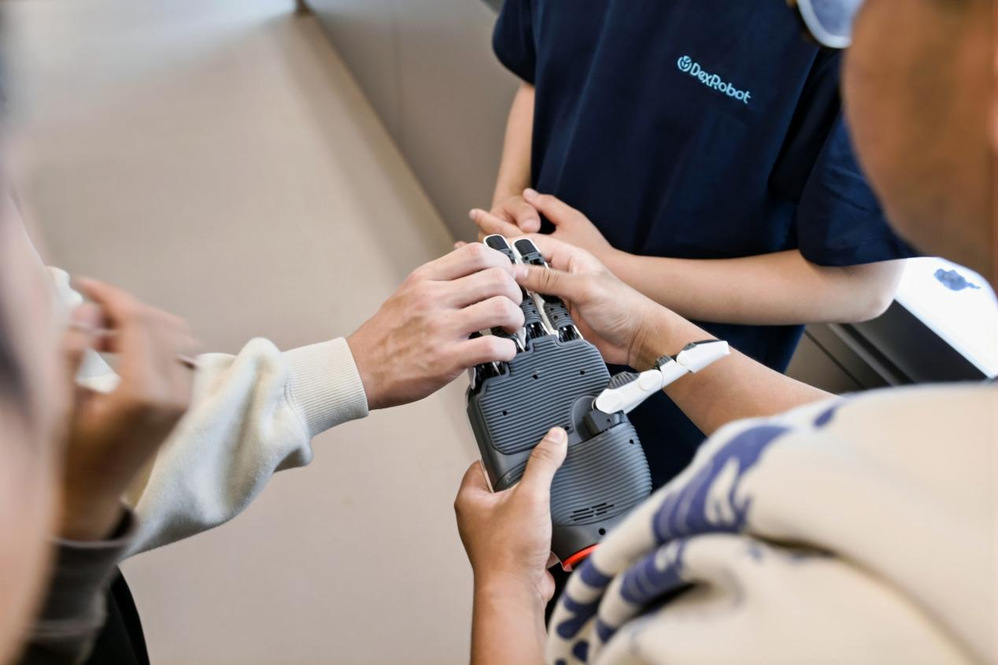
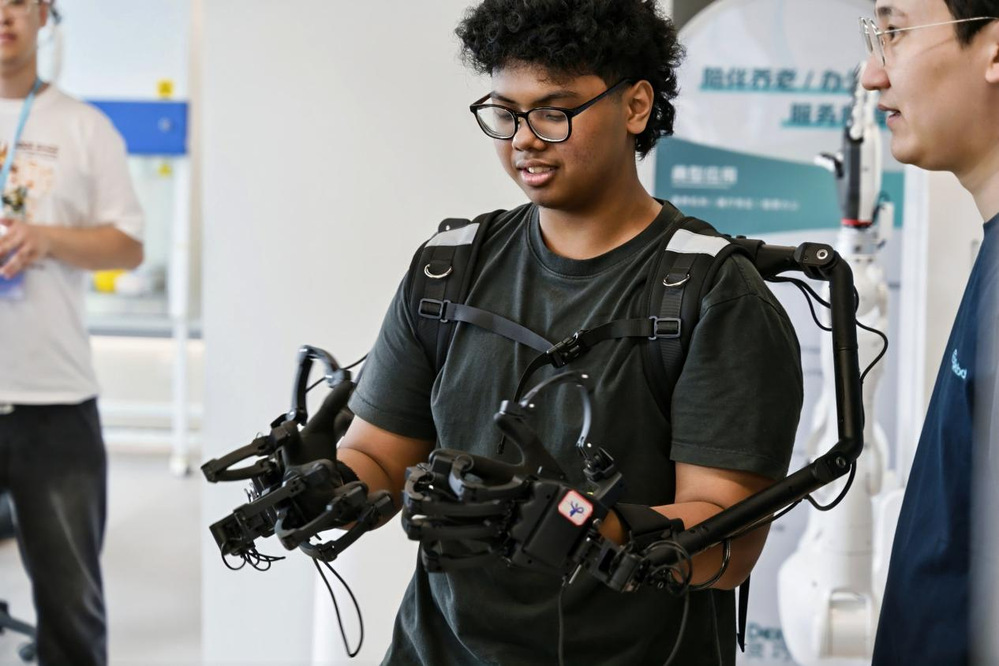
In the data collection zone, classroom theories found real-world validation. Students gained hands-on experience with the DexCap data acquisition system, a 65-DoF heterogeneous exoskeleton platform with millimeter-level motion capture precision and kilohertz-level response speed, enabling 1:1 motion mapping between human movement and the robotic dexterous hand. As students experiencedthe robotic hand replicate the motions in real time, the hybrid mode of teleoperation, visual synthesis, simulation learning and human demonstration transformed from textbook concepts into a tangible experience.
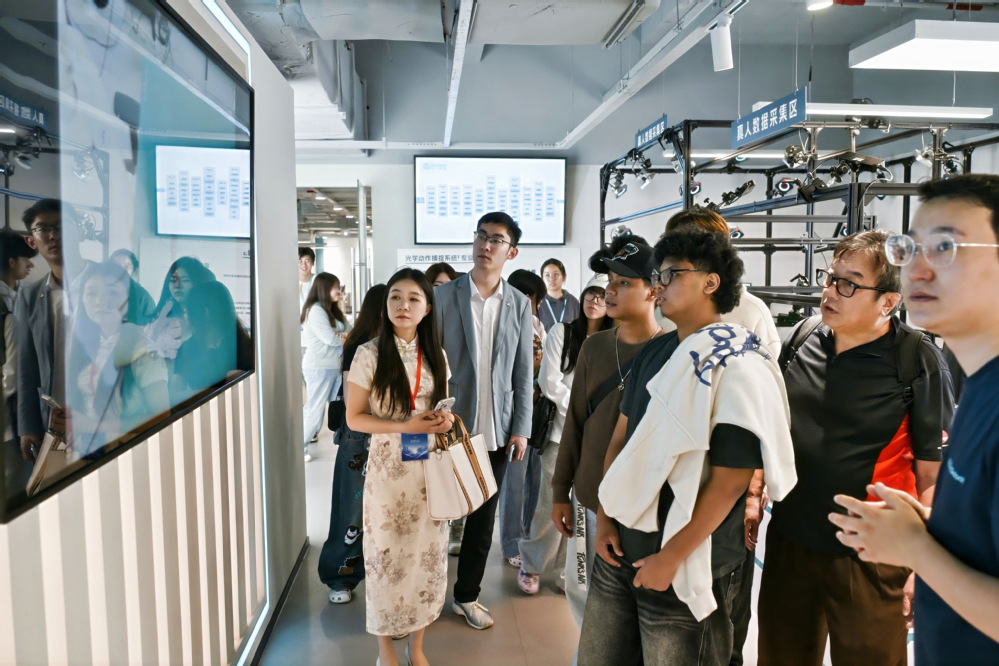
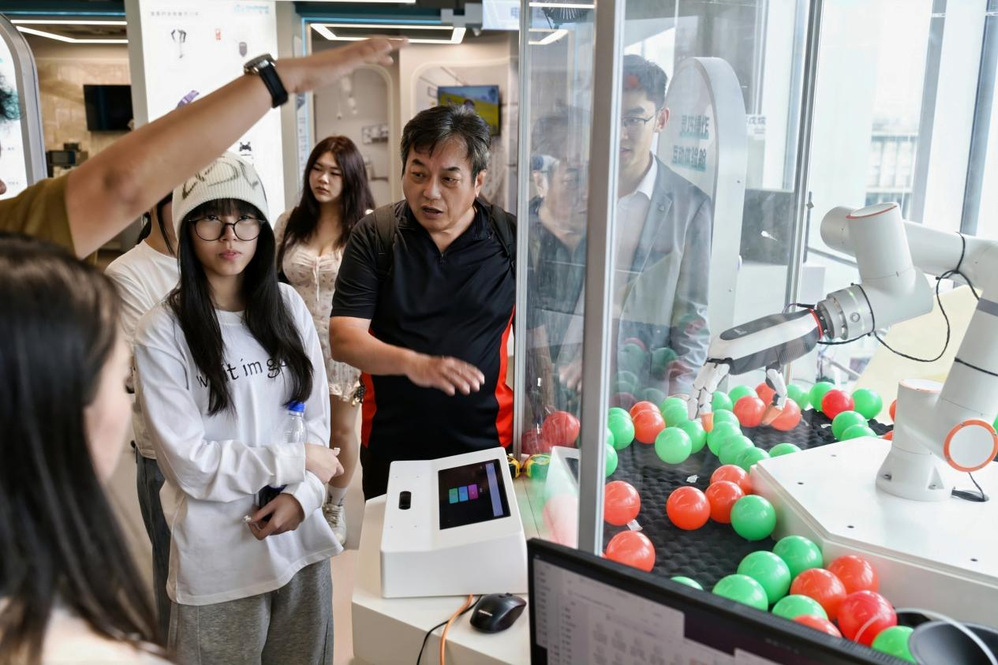
During the closing exchange session, Mr. Fan shared sincere career insights drawn from his own industry experience. He noted that self-awareness is the starting point of career development: only by aligning one’s path with personal interests, strengths and values can one achieve steady, long-term progress. He also advised students to keep pace with industry trends and actively follow the evolution of various intelligent agents. “Choosing an industry is essentially choosing a way of life,” he added, remarking that decisions about career track and city should balance personal aspirations with external circumstances. His heartfelt sharing gave students insights about the industry and their own future paths.
Day 3: Deep Dive into Data Annotation, Exploration of Shanghai’s Charms
The third day struck a balanced rhythm between intensive study and cultural experience, with an in-depth exploration of AI’s upstream industrial chain in the morning, and an immersive tour of Shanghai’s urban landscape in the afternoon.
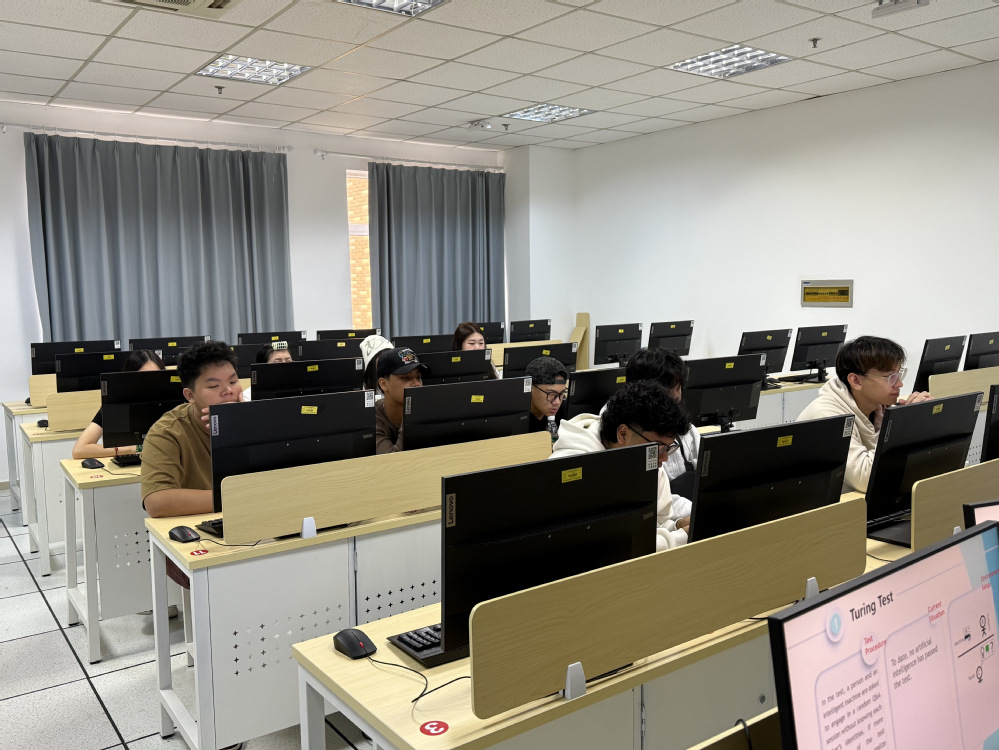
Also taught by Ms. Tao Huimin, the specialized course Data Collection and Labeling built on the previous day’s introduction and guided students into the “data foundation” of artificial intelligence. Centered on the core principle that “data quality defines the upper limit of AI capabilities”, the course systematically unpacked the full industrial chain from raw data collection, cleaning and standardized annotation to model training, and elaborated on annotation specifications and application scenarios for three major data types: images, audio and text.Also taught by Ms. Tao Huimin, the specialized course Data Collection and Labeling built on the previous day’s introduction and guided students into the “data foundation”of artificial intelligence. Centered on the core principle that “data quality defines the upper limit of AI capabilities”, the course systematically unpacked the full industrial chain from raw data collection, cleaning and standardized annotation to model training, and elaborated on annotation specifications and application scenarios for three major data types: images, audio and text.
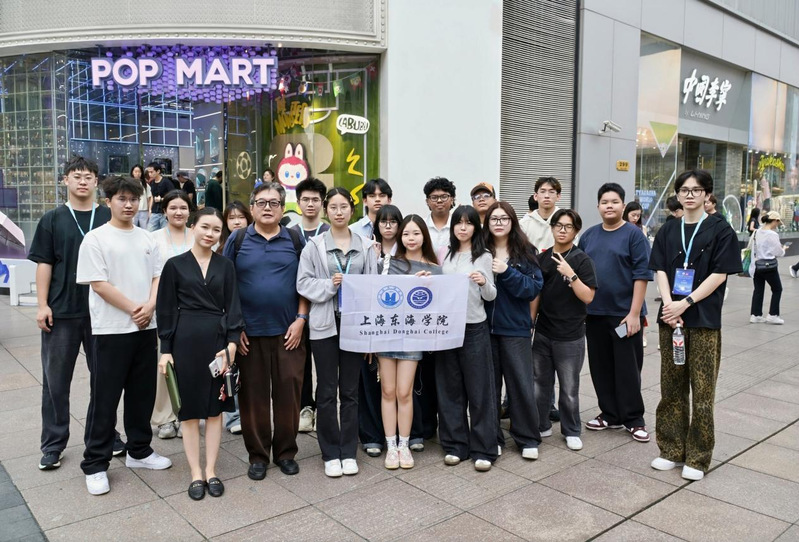
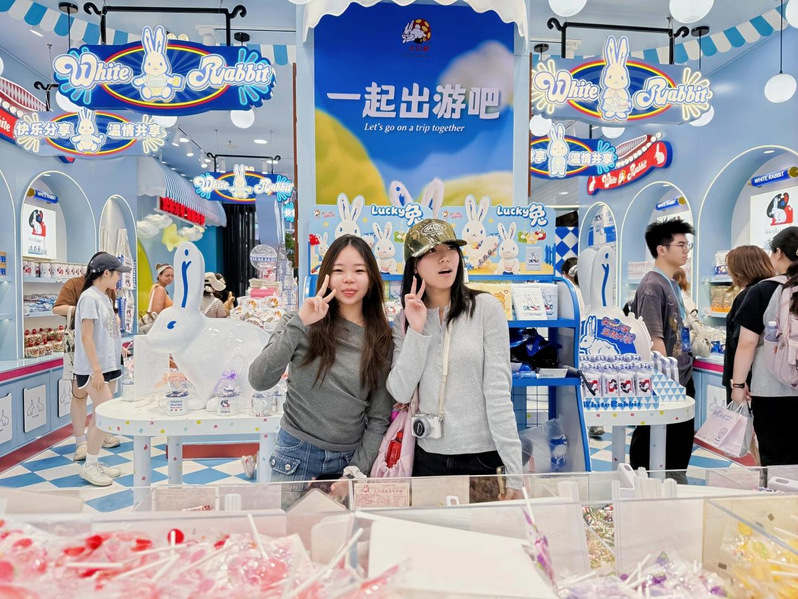
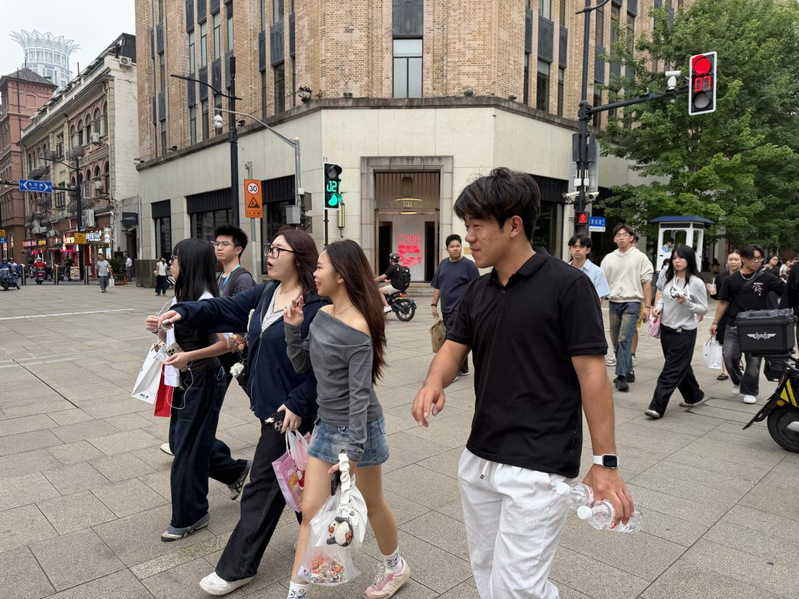
Leaving the classroom behind, the delegation embarked on a Shanghai cultural exploration tour in the afternoon, wandering from bustling commercial streets to the historic riverfront, and finally into the charm of traditional Jiangnan architecture.On Nanjing Road Pedestrian Street, century-old time-honored brands stand side by side with trendy new retailers. Beneath the shade of plane trees, bustling crowds emanate the commercial heritage and everyday vibrancy of “China’s No. 1 Commercial Street”. Strolling along, students experienced firsthand the dynamic commercial energy and urban vibe of Shanghai.
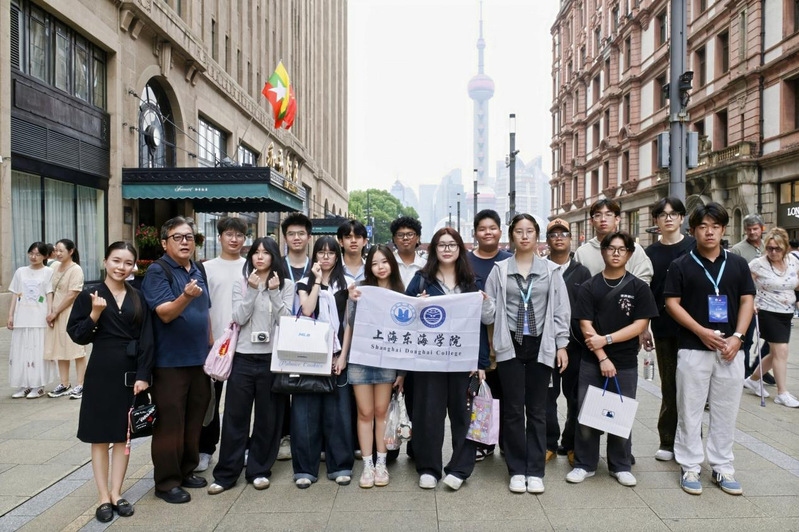
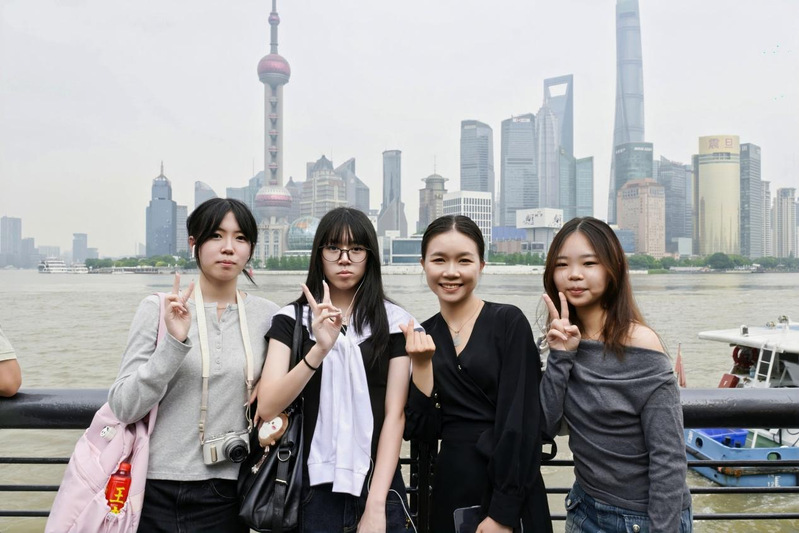
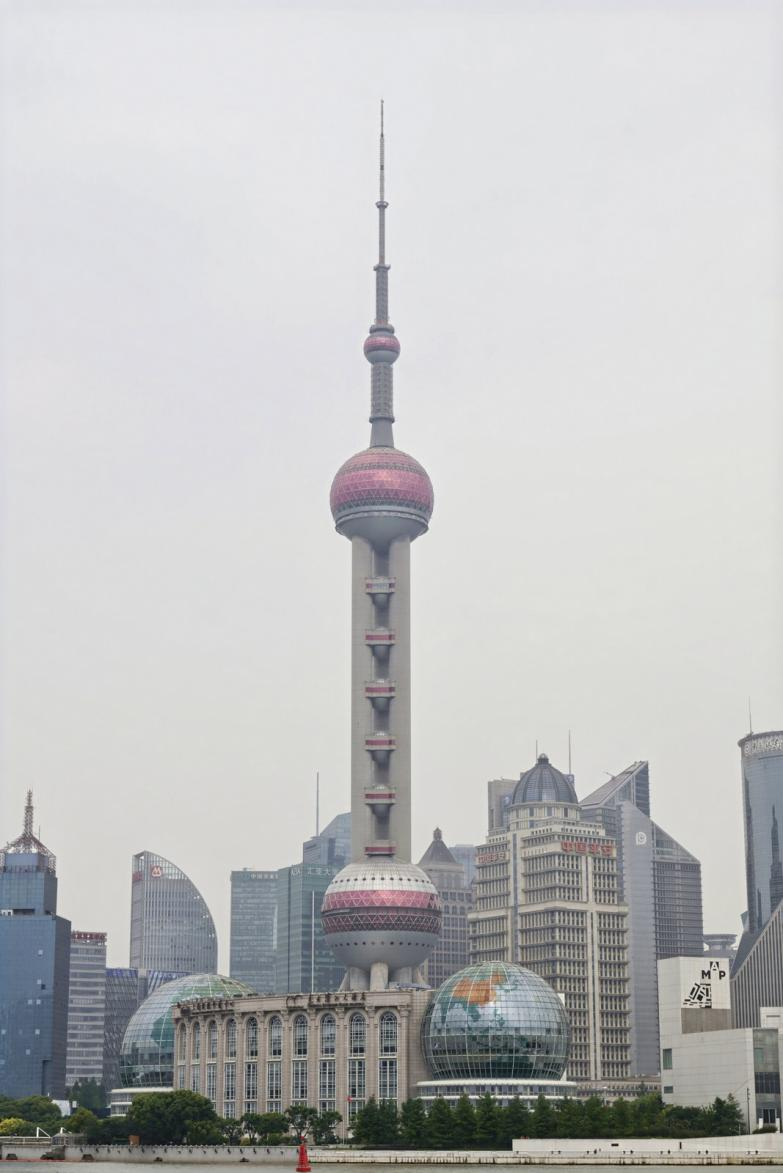
Arriving at the Bund, students were greeted by the cool, moist breeze from the Huangpu River. Lining the waterfront stands the World Architectural Expo: an array of 52 buildings in Gothic, Baroque and neoclassical styles, forming a living scroll of a century of history. Across the river, the skyscraper cluster of Lujiazui rises into the sky. The striking contrast between old and new Shanghai speaks volumes about the grandeur of this international metropolis. As river cruises glided slowly across the glistening water, students paused by the riverside, absorbing the city’s profound heritage and open, inclusive spirit.
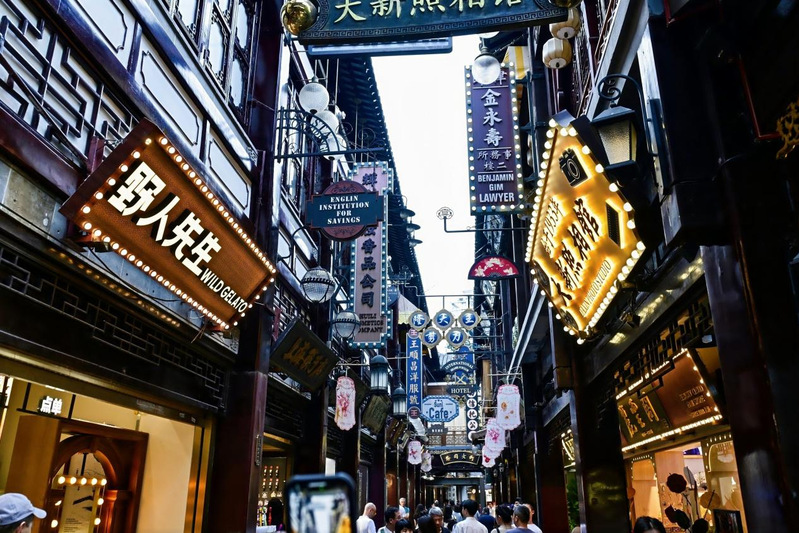
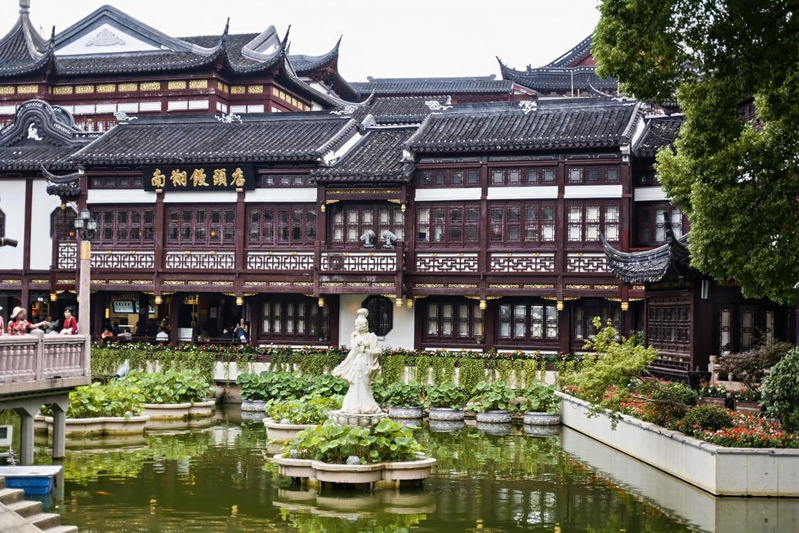
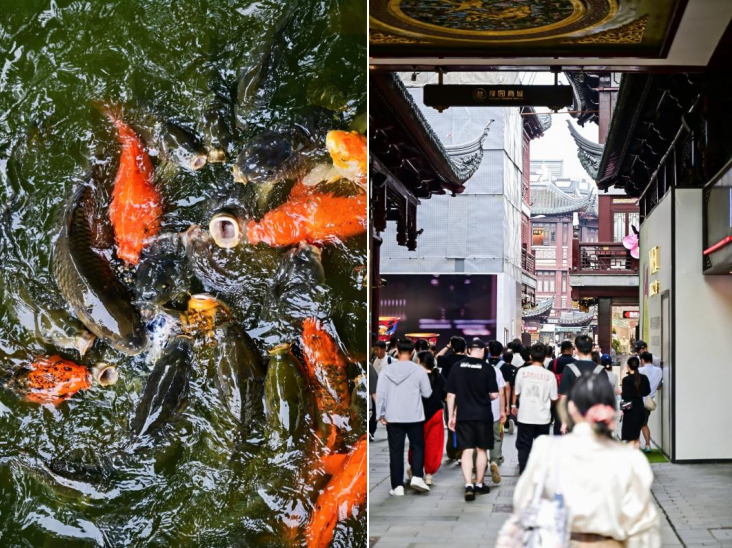
As dusk fell, the group entered the Yuyuan Garden and City God Temple precinct. Traditional Jiangnan gardens with upturned eaves exude elegant antiquity; the zigzag bridge reflects the glow of lanterns on the water. Wafts of sweet fragrance from shengjian buns and pear syrup candy fill the alleyways, dotted with intangible cultural heritage crafts and creative cultural boutiques. The quiet elegance of classical gardens blends seamlessly with the lively hustle of local life, allowing students to discover the delicate, vibrant Jiangnan cultural roots beneath Shanghai’s modern urban fabric.
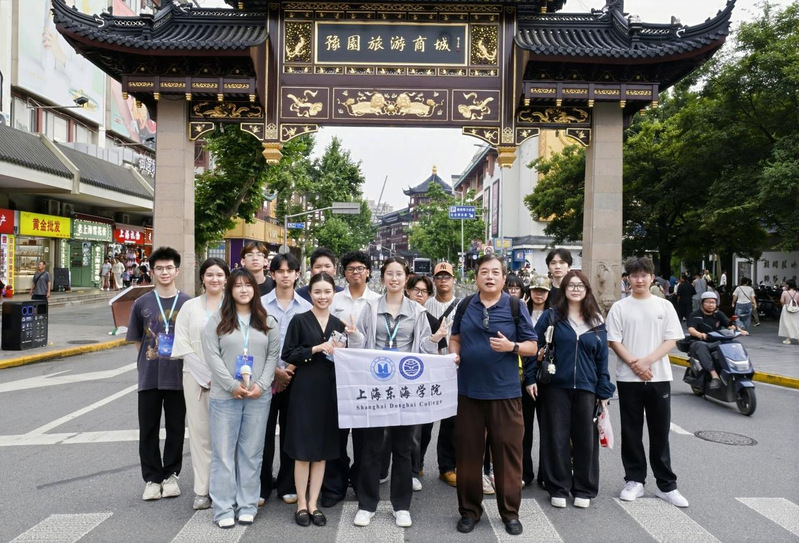
Over these two days, from theoretical enlightenment to industrial practice, from in-depth technical study to humanistic immersion, the horizons of the Chinese and Singaporean students continued to broaden in the balanced rhythm of learning and exploration. The journey goes on, with more vivid encounters and growth waiting just ahead.(Translator: Liu Yichen)
