

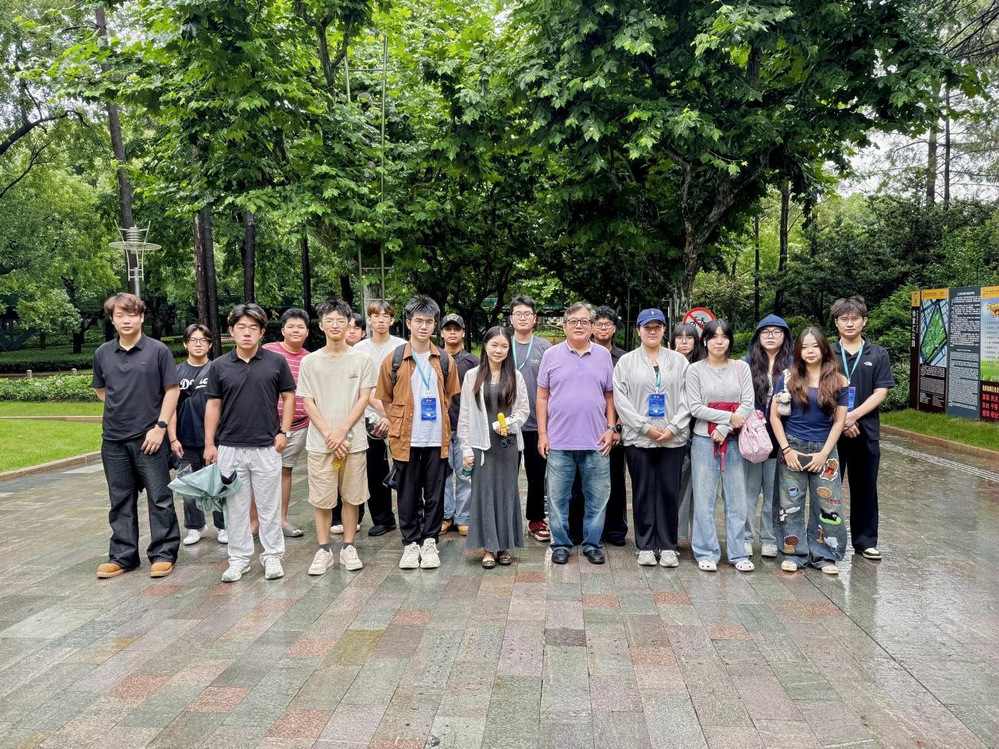
Building on their in-depth exploration of the digital creativity industry and hands-on practice in AIGC training, the ITE Singapore study tour delegation entered the final phase of their program at Shanghai Donghai College (SDC). From Days 6 to 8, the city itself served as a living textbook, unfolding along the threads of humanistic heritage: revisiting historical memories at revolutionary landmarks, savoring Haipai charm along plane-tree-lined lanes, encountering artistic vibrancy in repurposed industrial relics, and experiencing trendy renewal in Shikumen neighborhoods. As the program drew to a close, participants reviewed their study achievements and immersed themselves in the elegance of intangible cultural heritage. Coinciding with both Father’s Day and the Dragon Boat Festival, warmth and elegance intertwined throughout the three days. From cutting-edge technology to everyday streetscapes, from professional growth to cultural empathy, the journey concluded with a rich, heartfelt final chapter to this cross-border study tour.
Day 6: Tracing Urban Heritage in the Shade of Plane Trees
On the sixth day, the study tour took the city as its classroom entirely, visiting multiple iconic Shanghai landmarks. Through on-site exploration, students gained insight into a city defined by revolutionary heritage, artistic charm and trendy vitality, and immersed themselves in the diverse allure of this Haipai metropolis.
Revisiting History in a Century-Old Building, Witnessing Renewal in Heritage Compounds
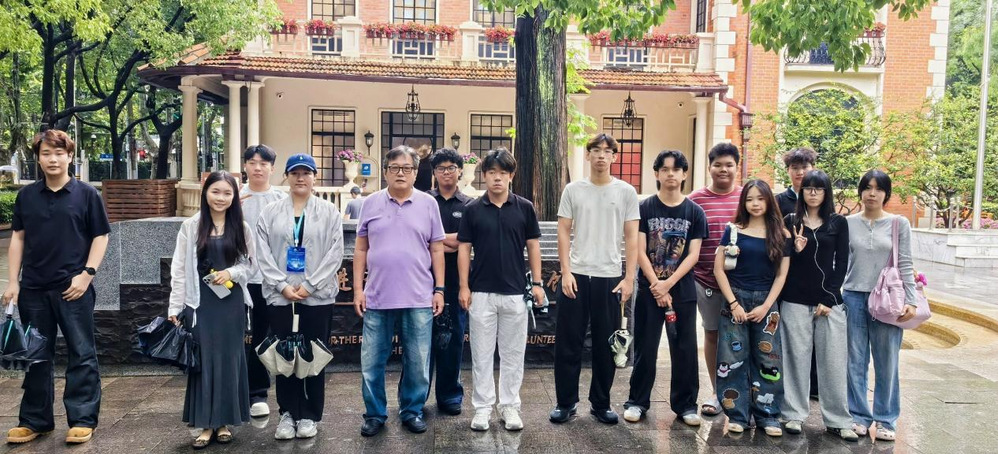
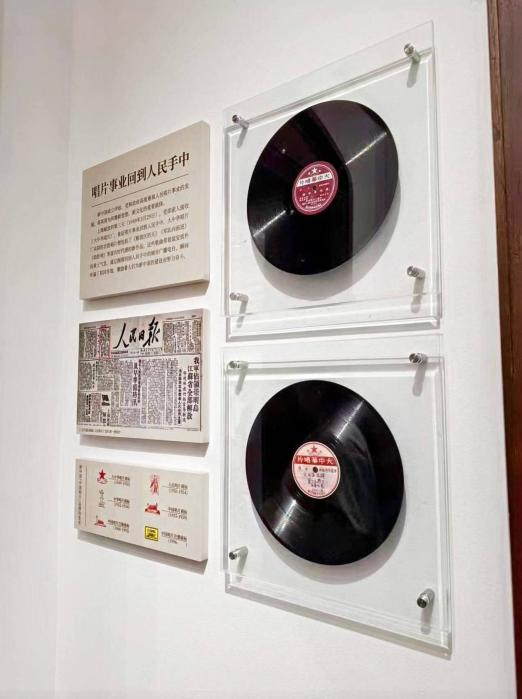
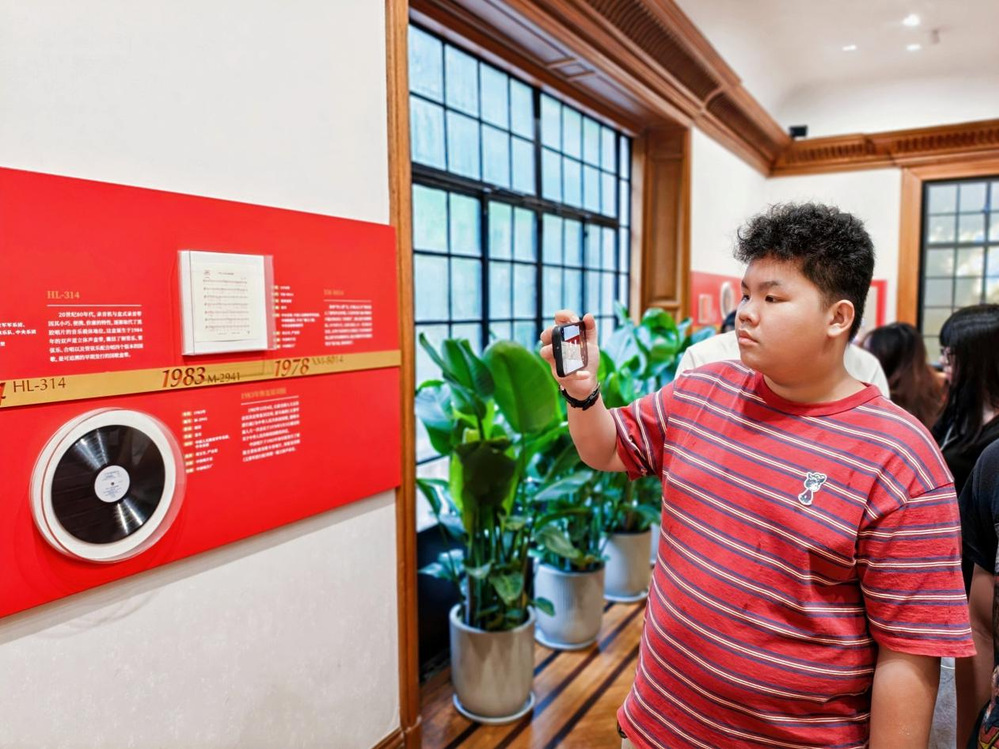
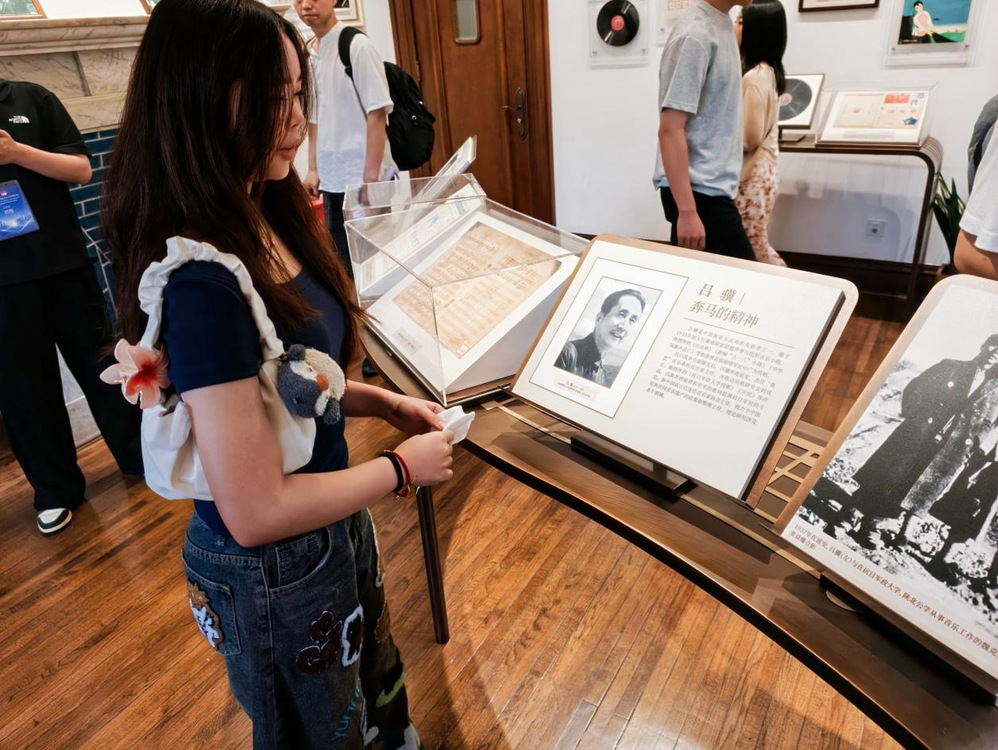
In the morning, the delegation first visited the Former Pathé Building – National Anthem Memorial Hall, located in Xujiahui Park. Students explored the exhibition independently, studying historical materials on their own initiative. They pored over archival historical footage and precious cultural relics, reflecting on the extraordinary years of the past amid the quiet displays, grasping the historical force behind the birth of the national anthem, and feeling the profound revolutionary heritage embedded in Shanghai’s urban fabric.
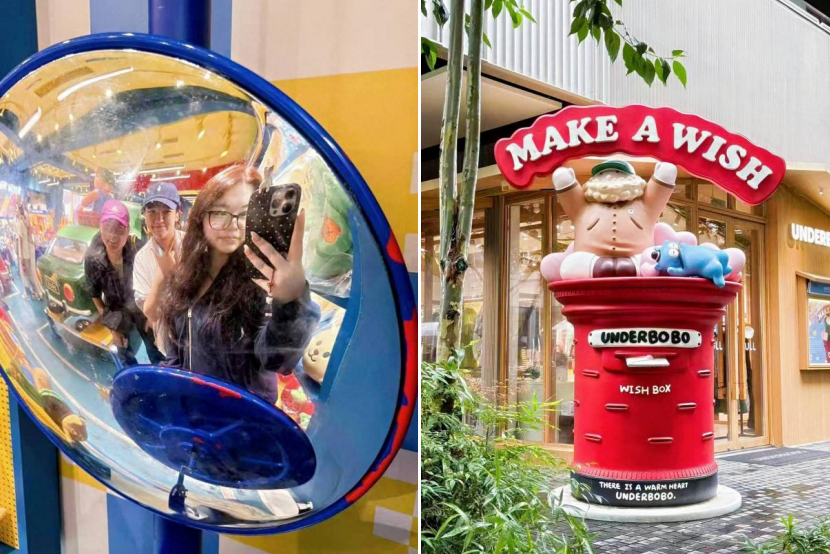
After the visit, the group strolled along the plane-tree-lined blocks of Huaihai Road towards Columbia Circle, a renowned cultural landmark. Here, clusters of century-old villas coexist harmoniously with creative commercial spaces, with new cultural formats thriving within the vintage fabric of historic architecture. The seamless blend of old and new allowed students to intuitively experience the unique charm and humanistic warmth of Shanghai’s adaptive reuse of heritage buildings.
Leisurely Strolls Through Iconic Lanes, Diverse Charms at a Fashion Landmark
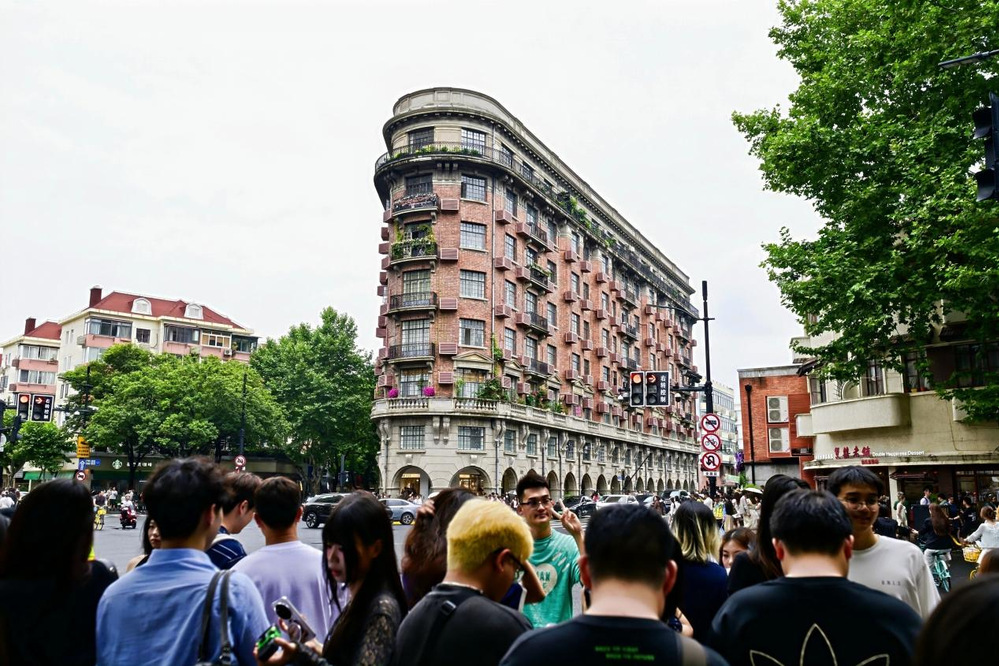
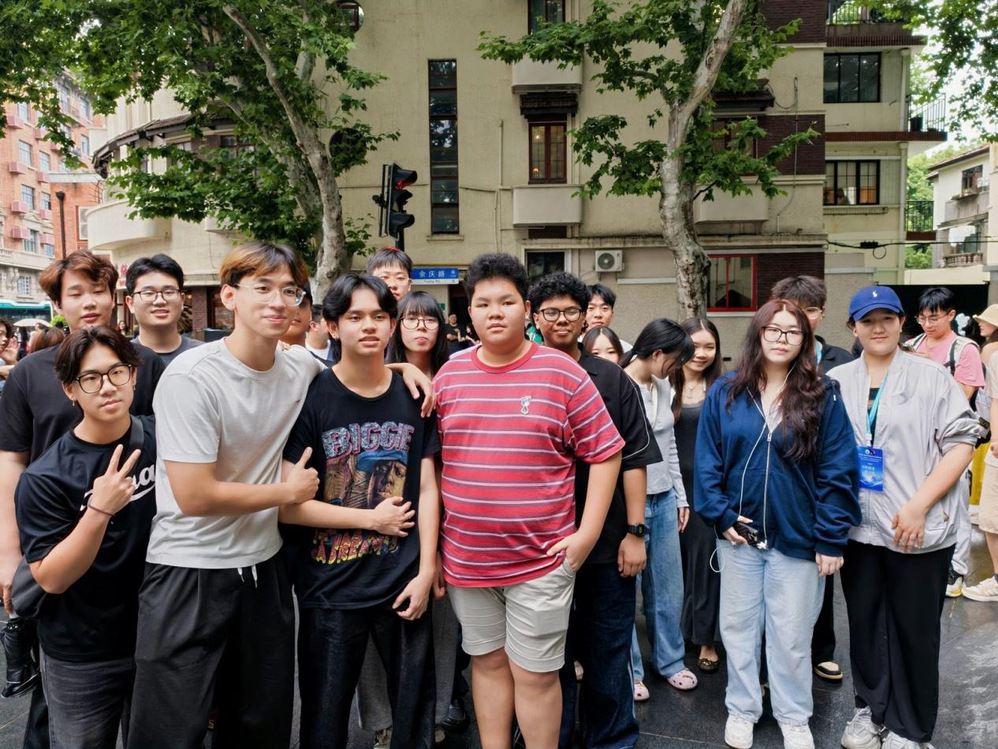
In the afternoon, the itinerary began at Wukang Mansion with a relaxed City Walk. Starting from this iconic French-style heritage building, students wandered slowly along Wukang Road, Anfu Road and Middle Urumqi Road. Winding lanes were shaded by dense plane tree canopies, dotted with distinctive street corners and creative boutiques, where artistic ambiance blended naturally with everyday street life. Students immersed themselves in the laid-back aesthetic and vibrant daily charm unique to Shanghai’s historic residential blocks.
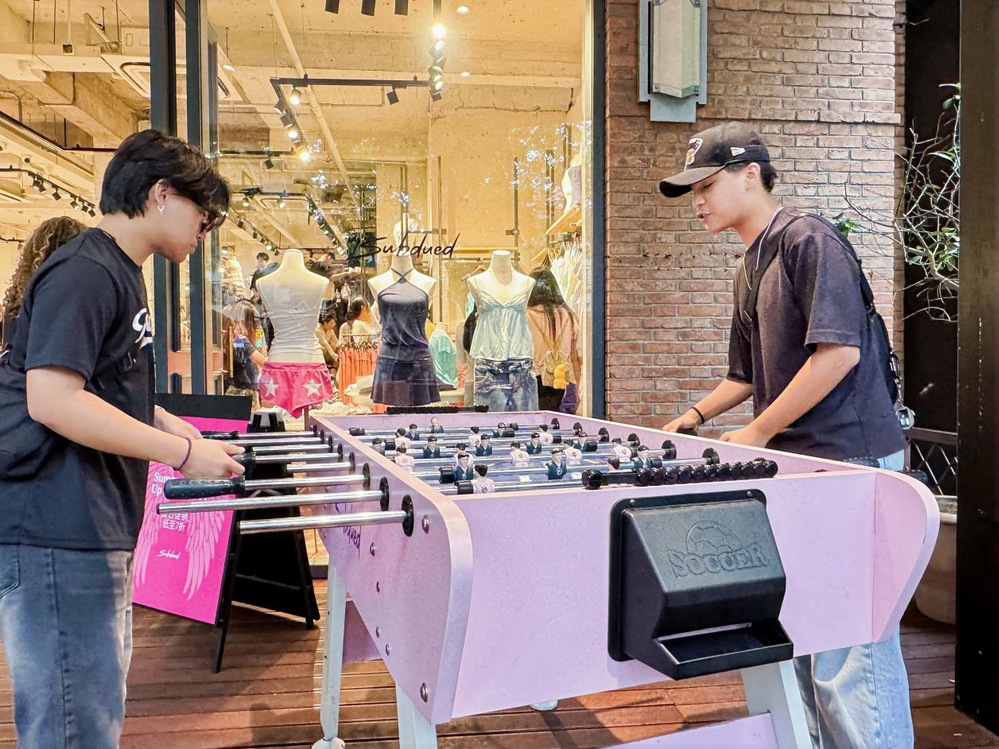
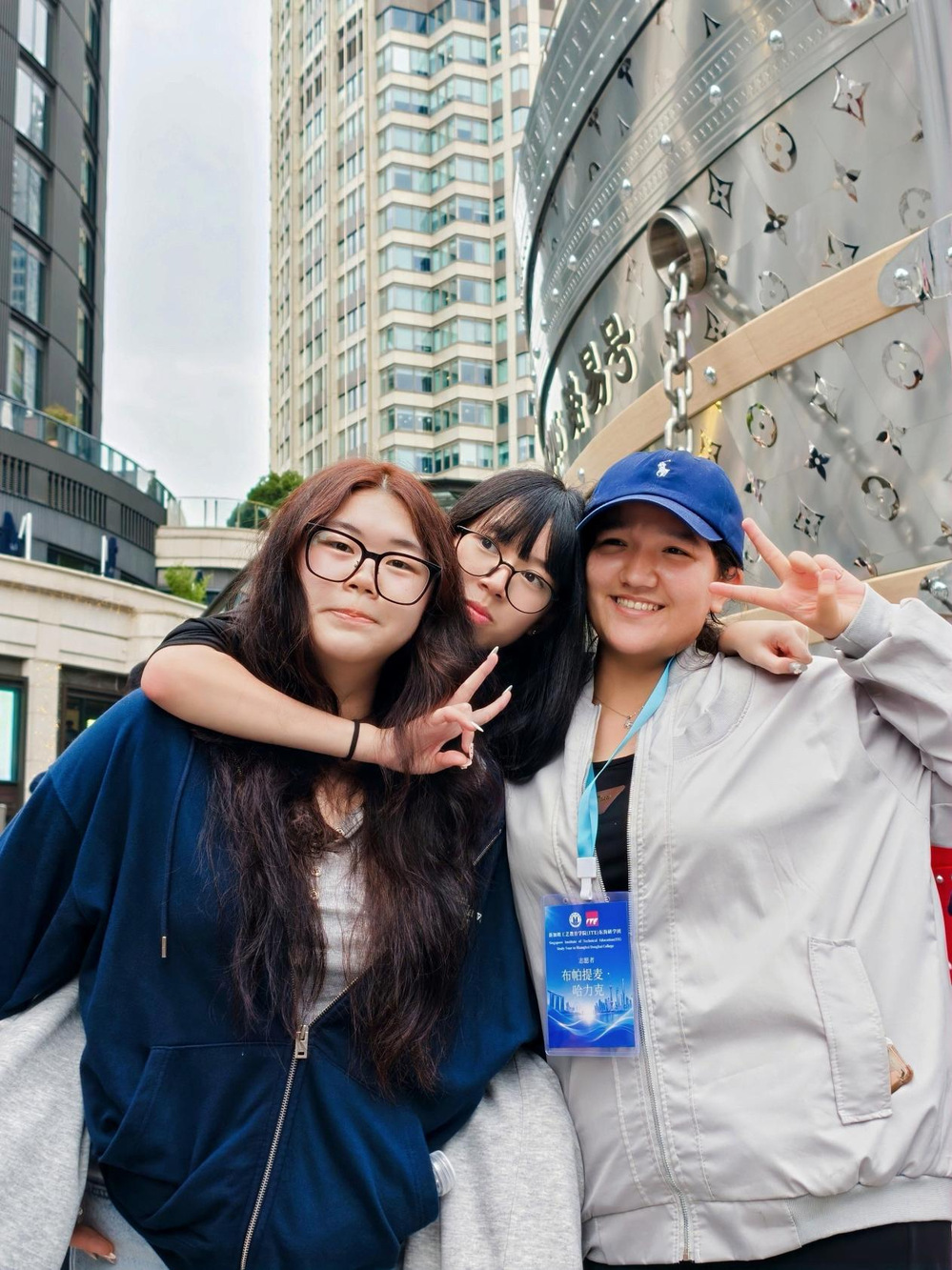
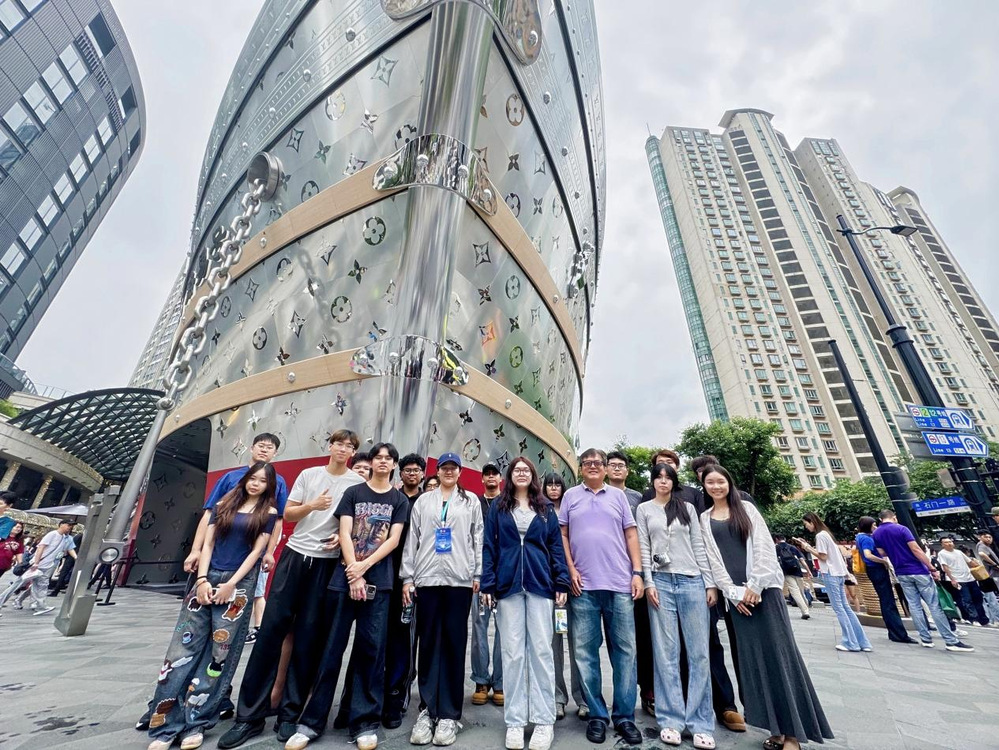
Towards the end of the day, the delegation visited the world’s largest Louis Vuitton flagship store. The venue deeply integrates the architectural texture of Shanghai’s native Shikumen buildings with cutting-edge international fashion design, creating a striking fusion of traditional architectural language and global trend aesthetics. Students gained a close-up view of the development pulse of Shanghai’s international fashion industry, and gained a deeper appreciation for the city’s inclusive, diverse and East-meets-West urban temperament.
Day 7: Art Explorations in Creative Parks, Festive Warmth Adds Elegant Touch
Building on the lingering charm of the previous day’s lane wanderings, the seventh day’s urban practical study centered on creative and cultural landmarks, with visits to multiple distinctive parks and neighborhoods. Coinciding with Father’s Day, the journey carried students’ festive greetings to their families far away, adding a touch of gentle warmth to this cross-border study tour.
Transformation of M50’s Former Factory, Encounter with Vibrant Original Art
In the morning, the first stop of the tour was M50 Creative Park. Transformed from abandoned old factory buildings, the park is lined with creative graffiti, independent galleries and original art studios, where the architectural texture of the industrial era coexists naturally with the vibe of contemporary art. Students wandered slowly through the park, pausing to admire avant-garde paintings and distinctive art installations. They gained first-hand insight into the development model of transforming Shanghai’s old industrial zones into cultural and creative parks, and truly felt the dynamic, thriving vitality of local original art.
Shikumen Heritage Meets Trendy Commercial Glamour
In the afternoon, the delegation visited Shanghai Xintiandi. Built on a foundation of century-old Shikumen buildings, this open-air commercial district fully preserves the authentic architectural texture of Haipai style, while housing trendy shopping malls, distinctive brand stores and diverse leisure venues. The vintage texture of traditional shikumen houses blends harmoniously with modern commercial spaces. Students wandered freely through the malls and alleyways, deeply experiencing the unique charm of urban renewal where historical heritage and modern commercial trends thrive side by side, and feeling the inclusive core of Haipai culture with every step.
As the journey fell on Father’s Day, students took breaks from the study tour to send festive greetings to their fathers back in Singapore. Amid the streetscapes of a foreign country and the packed study itinerary, everyone shared a special time filled with both cultural gains and heartfelt warmth, adding a soft, tender chapter to their memories of the study tour at Donghai College.
Over the two days of urban exploration, from in-depth reflections on revolutionary heritage to the adaptive renewal of historic buildings, from the artistic transformation of industrial relics to the East-West integration in trendy neighborhoods, students traced the city’s fabric with their footsteps, and grasped the diverse core of Haipai culture as the scenery unfolded with every step. The warm touch of the festive season lent even more heartfelt depth to this already culturally rich study journey. As the tour nears its conclusion, more fulfilling experiences and gains still await ahead.
Day 8: Showcasing Achievements, Intangible Heritage Bridges Past and Present
On the final day of the program, activities integrated professional review, achievement sharing and cultural practice. The morning’s study achievement presentation created a platform for professional dialogue between Chinese and Singaporean faculty and students, while the afternoon’s intangible cultural heritage gathering offered an immersive experience of traditional Chinese culture, bringing the entire study tour to a close with both professional depth and cultural warmth.
Reviewing Study Gains, Discussing Professional Growth
In the morning, the study achievement presentation and review session officially kicked off. Four distinguished judges were invited to the event: Yuan Wugang, Assistant Dean of the School of Information Engineering; Tan Xin, Program Director of Radio and Television Program Production at the School of Media and Communication; Wang Yefei, Program Director of Film and Television Animation; and Low Hua Chong, leader of the Singaporean study tour delegation.
Singaporean students took the stage in groups to share their gains from the entire program. The three groups presented along different thematic threads of the study tour: the first group shared insights into China’s national overview and cutting-edge technology studies; the second group showcased achievements from the Yuyuan Garden visit and AI video production training; the third group delivered a comprehensive presentation covering the Qibao Ancient Town tour, urban walks, brand landmark visits, creative park explorations and UAV training experience.
During the session, the four judges commented on each group’s work one by one, offering guidance for further improvement. Teacher Tan Xin engaged in in-depth discussions with students on their creative approaches, listened attentively to their practical experiences in AIGC creative creation integrated with their own majors, and carefully sorted out the creative logic behind their digital works. Teacher Yuan Wugang provided professional analysis of the students’ works, and delved into discussions with students on the core competencies required for technical talents in the era of artificial intelligence, combined with the development trends of the AI industry. Teacher Wang Yefei shared practical experience in animated IP production, encouraging students to stay true to their creative aspirations and continue to deepen their expertise in the field of creation.
At the end of the presentation, Singaporean students expressed that they had gained tremendously from the trip. Through the diverse and rich practical activities, they had been exposed to many new experiences rarely available in Singapore, broadening their industry horizons and forging precious cross-border friendships. On behalf of the delegation, student representatives presented specialty souvenirs brought from Singapore to Liu Yichen, and all student volunteers, as a token of gratitude for their attentive companionship and thoughtful support throughout the program. The presentation session was not only a review and consolidation of the days of study, but also a brand-new starting point for technological and cultural exchanges between Chinese and Singaporean youth.
Handmade Incense Pills and Flower Hairpins, Appreciating the Charm of Han Culture
In the afternoon, the delegation embarked on an immersive traditional Chinese cultural experience, featuring three sections: ancient intangible cultural heritage incense making, Hanfu dressing with flower hairpins, and the traditional game of touhu (arrow pitching). The activity integrated the technological gains from the digital study tour with the humanistic heritage of Chinese intangible culture.
This incense experience was based on SDC’s featured “Weiwen Xiang” program. Upholding the philosophy of natural wellness, the program uses purely natural Chinese medicinal herbs throughout to create safe, authentic natural incense products. Two students, Zhou Siyi from Customs Class 12403 and Zhang Huizhen from Customs Class 32404, gave on-site explanations. They first introduced the logic of traditional incense ingredient blending to the Singaporean students, explained the properties of Chinese medicinal herbs and the historical origins of incense blending culture, then demonstrated the full process of weighing incense powder, mixing the paste, and hand-rolling incense pills in detail. Afterwards, students worked in groups to practice on their own, blending natural fragrances and rolling them into shape to create their own unique handmade incense pills. Amid the elegant herbal fragrance filling the room, overseas students gained an up-close understanding of the wellness wisdom of traditional Chinese medicine and the intangible cultural heritage of traditional incense art, and experienced the Eastern philosophy of life embodied in ancient craftsmanship.
After the incense pill making, the Chinese-style folk custom experience hosted by the Hanyun (Han Rhyme) Student Association began simultaneously. The event coincided with the Association’s touring festival, and was guided on site by Zhao Qing, President of the Hanyun Association from Art Class 32501, and Vice President Kuang Leyi. The two students provided a variety of Hanfu styles for the participants, assisted them with dressing and adjustment, and explained in detail the etiquette norms and cultural connotations of traditional attire. They then taught the handmade flower hairpin craft, distributing headbands, dried flowers of various colors and hot glue sticks on site, and demonstrating the steps of heating the glue stick and arranging the flowers in a layered design. Students followed the steps to make their own unique flower hair accessories, while learning about the historical origins and auspicious meanings of flower hair adornment.
Dressed in Hanfu and wearing their handmade flower hair headbands, students moved to the leisure area to experience the traditional elegant game of touhu. Taking turns to pitch arrows into a pot, they experienced the daily pastimes of ancient scholars through this lighthearted, charming traditional game. Dressed in Hanfu, wearing handmade flower hairpins and carrying their self-made incense pills, Singaporean students took photos around the venue, immersing themselves in classical Chinese aesthetics. Through the fun interactions, they gained a deeper understanding of the Chinese etiquette and culture embodied in Hanfu, flower hair adornment and touhu.
The three-day journey passed swiftly, marking the successful conclusion of the entire study tour. From in-depth theoretical studies in AI classes to industry insights from enterprise visits, from hands-on training in low-altitude technology to cultural immersion in urban streets, and finally to the achievement review and intangible cultural heritage experience on the final day, ITE Singapore students traced the urban fabric of Shanghai with their footsteps and built a bridge of friendship for Sino-Singaporean vocational education through exchanges.
All meetings across mountains and seas must come to an end, but youth forges bonds that will meet again. This Sino-Singaporean youth gathering across vast distances is not only the successful conclusion of a study tour, but also a brand-new starting point for deepened cooperation between the two institutions and for Chinese and Singaporean youth to walk forward hand in hand. May this cross-border friendship and all the gains serve as a driving force for the future, opening a new chapter of mutual learning in vocational education and two-way youth exchange between China and Singapore across a broader horizon. ( Correspondent Chen Jianming, Liu Yichen)
